Ledger.com/Start: The Official Beginning for Secure Ledger Wallet Setup
Ledger.com/start is the official entry point for users who want to set up a Ledger hardware wallet safely and correctly. It is designed to guide both new and experienced users through the essential steps required to initialize their device, understand security responsibilities, and begin managing digital assets with confidence. Following the official setup process is critical for ensuring long-term protection of cryptocurrency holdings.
This guide explains the purpose of ledger.com/start, the setup journey, and the security principles users should understand before and after configuring their Ledger device.
What Ledger.com/Start Is Designed For
Ledger.com/start exists to provide a secure and structured onboarding experience. It ensures that users initialize their Ledger hardware wallet in a trusted environment, following steps that protect private keys from the very beginning.
The platform focuses on education as much as configuration. It introduces users to the fundamentals of hardware wallet security and self-custody, helping them avoid common mistakes that can lead to asset loss.
Importance of Starting with the Official Setup
Using the official setup process is essential when working with a hardware wallet. Incorrect initialization, skipped steps, or reliance on unofficial instructions can compromise security.
Ledger.com/start minimizes these risks by walking users through each stage carefully. It ensures that private keys are generated securely on the device and that users understand how to protect critical information such as PIN codes and recovery phrases.
Understanding Self-Custody from the Beginning
One of the core concepts introduced at ledger.com/start is self-custody. Self-custody means that users, not third parties, control their private keys and funds.
While this approach provides greater freedom and privacy, it also requires responsibility. Ledger.com/start clearly explains that there is no central authority that can restore access if recovery information is lost. This understanding is crucial before proceeding.
How Ledger Hardware Wallets Protect Assets
A Ledger hardware wallet is a physical security device designed to keep private keys offline. These keys are generated and stored inside a secure environment that is isolated from internet-connected systems.
Ledger.com/start explains how the device signs transactions internally and requires physical approval for sensitive actions. This design protects assets even if the connected computer or mobile device is compromised.
Starting the Device for the First Time
The setup process begins when the Ledger device is powered on for the first time. Ledger.com/start guides users through basic device navigation, including button usage and screen interaction.
Users are encouraged to read on-device messages carefully and proceed step by step. This slow and deliberate approach reduces the likelihood of errors during initialization.
Setting Up a Secure PIN Code
Creating a PIN code is one of the most important steps in the setup process. The PIN locks the device and prevents unauthorized access.
Ledger.com/start advises users to choose a PIN that is difficult to guess and unrelated to personal information. The PIN is entered directly on the device, ensuring it is never exposed to computers or smartphones.
The Role of the Recovery Phrase
During setup, the Ledger device generates a recovery phrase. This phrase is a sequence of words that acts as a complete backup of the wallet.
Ledger.com/start emphasizes that the recovery phrase is the only way to restore access to funds if the device is lost, damaged, or reset. Because of its importance, users are instructed to handle it with extreme care.
Recording and Storing the Recovery Phrase Safely
Users are guided to write the recovery phrase down on paper and store it in a secure, offline location. Digital storage methods are discouraged because they increase exposure to online risks.
Ledger.com/start stresses that the recovery phrase must never be shared. Anyone with access to this phrase can gain full control over the wallet and its assets.
Verifying the Recovery Phrase
To ensure accuracy, the setup process includes a recovery phrase verification step. Users must confirm selected words in the correct order directly on the device.
This step helps prevent future recovery problems and ensures that the backup has been recorded correctly before proceeding.
Installing the Ledger Live Application
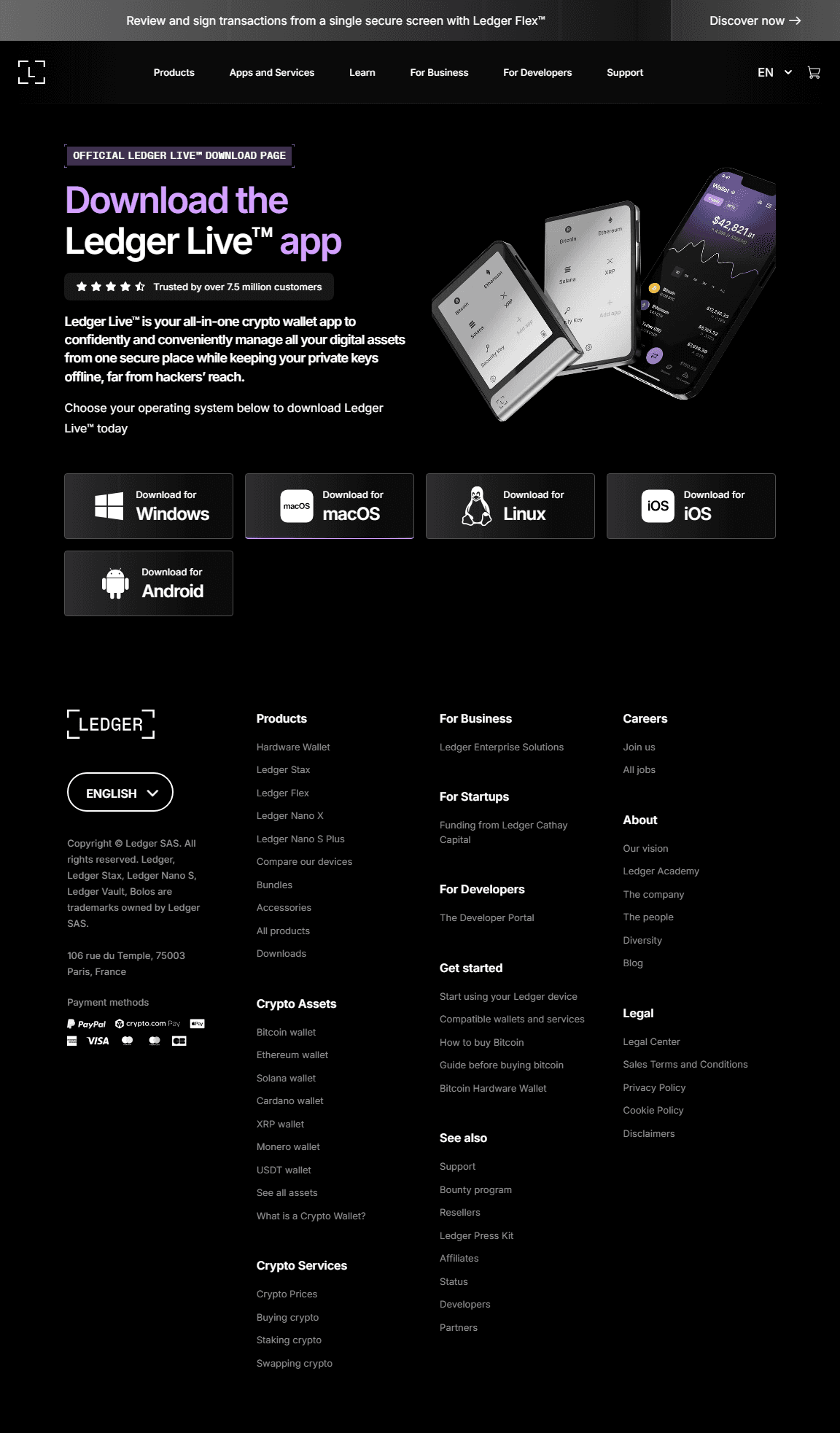
Ledger.com/start introduces users to the Ledger Live application, which serves as the management interface for the hardware wallet.
Ledger Live allows users to view balances, organize accounts, and prepare transactions. Importantly, it does not store private keys. All sensitive operations remain securely handled by the hardware wallet.
Connecting the Ledger Device to Ledger Live
After installing Ledger Live, users connect their hardware wallet and unlock it using the PIN. This connection allows the application to display public account information.
Ledger.com/start explains that this connection does not expose private keys. The hardware wallet remains the trusted security component throughout the process.
Authenticity and Device Verification
Ledger.com/start includes steps to confirm that the hardware wallet is genuine and untampered. This verification provides confidence that the device meets expected security standards.
Ensuring authenticity is an important part of establishing trust in the hardware wallet before storing assets.
Adding Cryptocurrency Accounts
Once setup is complete, users can add cryptocurrency accounts through Ledger Live. Each account corresponds to private keys securely stored on the device.
Ledger.com/start explains how accounts function and how users can manage multiple digital assets in one organized environment.
Learning How Transactions Are Approved
Ledger.com/start teaches users how transactions are reviewed and approved. Before any transaction is finalized, details appear on the hardware wallet screen.
Users must physically confirm each transaction, ensuring that nothing happens without their direct approval. This process protects against unauthorized activity and malware.
Common Setup Errors to Avoid
One common mistake is rushing through setup without fully understanding each step. Ledger.com/start encourages patience and careful attention.
Another frequent error is improper storage of the recovery phrase. Losing or exposing this phrase can result in permanent loss of access to funds.
Long-Term Security Awareness
Ledger.com/start introduces users to long-term security habits. These include keeping the device in a safe location, protecting backup information, and staying alert to scam attempts.
Users are reminded to trust only the device screen for confirmations and to never share sensitive details.
Caring for the Ledger Device Over Time
Physical care of the hardware wallet is also important. Ledger.com/start prepares users to store the device securely and protect it from damage or unauthorized use.
Responsible handling helps ensure reliable operation and continued security over the long term.
Who Ledger.com/Start Is For
Ledger.com/start is ideal for anyone setting up a Ledger hardware wallet for the first time. It is especially helpful for beginners who need clear and reliable guidance.
Experienced users also benefit from following the official setup process to ensure proper configuration and security.
Why Ledger.com/Start Is the Trusted Starting Point
Ledger.com/start helps users avoid misinformation and unsafe practices. It establishes correct setup procedures and reinforces security awareness from the beginning.
By following the official starting point, users build confidence in their ability to manage digital assets securely.
Conclusion
Ledger.com/start is the foundation of a secure Ledger wallet experience. It guides users through device initialization, PIN creation, recovery phrase protection, application setup, and essential security education.
By carefully following the ledger.com/start process, users take a crucial step toward full ownership and long-term protection of their cryptocurrency assets. This structured approach combines hardware security, user responsibility, and clear guidance to support safe and confident digital asset management.